When At Home Whitening May Not Be A Good Fit
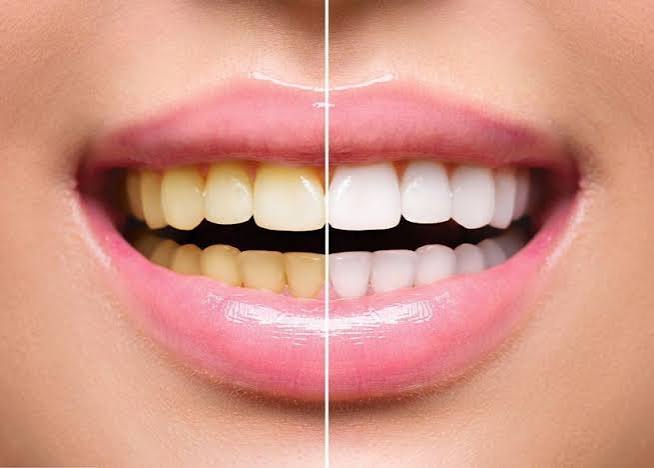
A sensible approach to when at home whitening may not be a good fit combines realistic habits with attention to how your body responds. The aim is to make the topic understandable and useful without promising a cure or guaranteed result.
Start with the basics
Use gentle brushing, flossing, stain awareness, and enamel-friendly whitening as the foundation. A steady routine is usually more useful than switching between many strategies.
- Build routines around your normal day.
- Choose realistic steps instead of all-or-nothing plans.
- Track useful patterns when it helps.
- Ask a professional when symptoms are severe, sudden, persistent, or confusing.
What to pay attention to
Pay attention to sensitivity, gum comfort, staining habits, and dental changes. Brief notes can help you recognize patterns and give you clearer questions for a clinician.
Common mistakes to avoid
Try not to judge progress from a single day. Also avoid harsh DIY methods or products that cause irritation, pain, dizziness, or other unwanted effects.
A simple routine to try
A simple seven-day experiment works well: keep the routine stable, note comfort and symptoms, and make only one adjustment at a time.